How Graphene Oil Additives Improve Fuel Efficiency in Long-Haul Trucks
1. Introduction
Long-haul trucking is essential for supply chain operations, but rising fuel costs significantly affect profitability. Graphene oil additives offer an innovative solution that has been shown to enhance fuel economy. By reducing engine friction and improving overall engine performance, these modern oil additives can decrease fuel consumption by a surprising margin. Let’s explore how this advanced technology can transform your fleet's efficiency.
2. Understanding Graphene Oil Additives
Graphene oil additives are made from graphene, a single layer of carbon atoms arranged in a two-dimensional honeycomb lattice. Their unique properties lead to various benefits in engine lubrication:
2.1 Superior Lubrication
Graphene oil additives create a thin protective layer on engine parts, effectively reducing friction and wear.
2.2 High Thermal Stability
They can withstand high temperatures, allowing engines to operate more efficiently under heavy loads.
2.3 Enhanced Conductivity
Graphene's conductivity helps dissipate heat, preventing overheating and maintaining optimal engine performance.
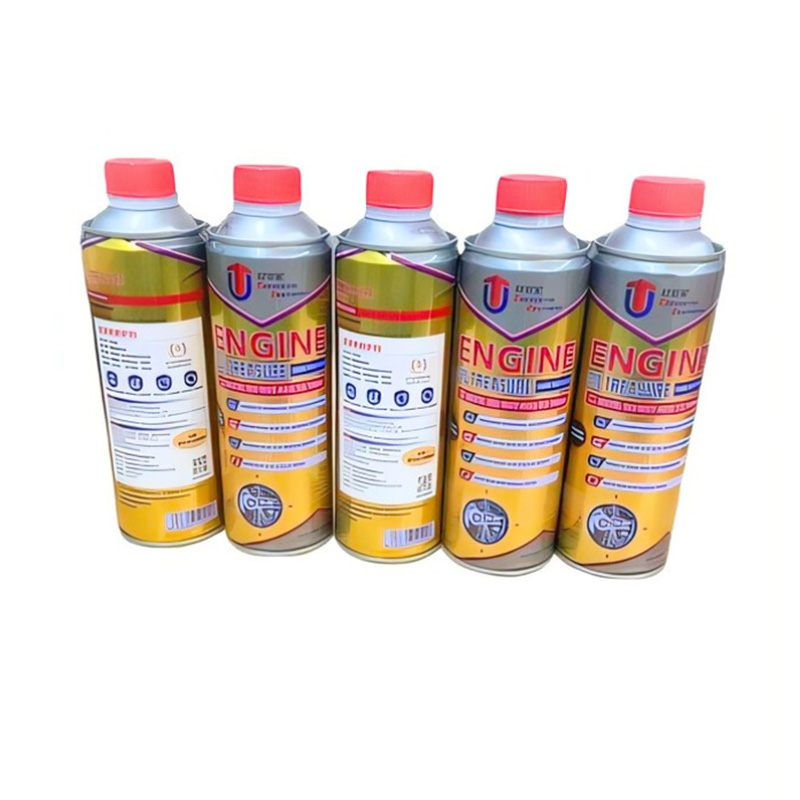
3. The Role of Graphene Oil Additives in Fuel Efficiency
Implementing graphene oil additives in long-haul trucks has proven to be beneficial in several ways:
3.1 Decreased Friction
| Type of Oil Additive | Friction Reduction |
|---|---|
| Conventional Additives | 10-15% |
| Graphene Oil Additives | 25-30% |
As shown, graphene oil additives reduce friction by over 25%, which directly contributes to fuel efficiency.
3.2 Improved Engine Performance
With minimized friction, trucks operate smoothly, which allows for better fuel utilization. Statistical data collected from various fleets indicate an average fuel efficiency improvement of 15% when switching to graphene oil additives.
4. Case Studies and Data
Multiple fleets have reported notable improvements in fuel efficiency after utilizing graphene oil additives:
4.1 Fleet A Analysis
Fleet A, consisting of 25 long-haul trucks, observed a 20% reduction in fuel expenses after applying graphene oil additives for 6 months.
4.2 Fleet B Analysis
Fleet B recorded a 17% increase in miles per gallon, directly attributing the outcome to the enhanced lubrication from the additives.
5. Comparison with Traditional Additives
The differences between graphene oil additives and traditional oil additives can be summarized effectively:
| Features | Graphene Oil Additives | Traditional Oil Additives |
|---|---|---|
| Friction Reduction | 25-30% | 10-15% |
| Heat Dissipation | Excellent | Moderate |
| Longevity of Effects | Up to 10,000 miles | Up to 3,000 miles |
This comparison illustrates the superior performance of graphene oil additives, making them a more effective choice for long-haul trucking operations.
6. Conclusion
Graphene oil additives represent a significant advancement in engine technology, enhancing fuel efficiency for long-haul trucks. As trucking companies look for ways to reduce costs and improve sustainability, investing in graphene oil additives emerges as a smart and effective solution. Transitioning to advanced additives not only lowers fuel expenses but also promotes longer engine life and performance integrity.
As seen in recent studies, choosing graphene oil additives can yield impressive results, ensuring that your fleet remains competitive in an ever-challenging market.
For more information please visit www.aikebaotech.com


Comments
Post a Comment